

Table of Contents
- Why Durable Streetwear Essentials Matter for Your Daily Hustle
- Quality Graphic Tees: The Foundation of Streetwear
- Heavyweight Hoodies That Survive the Grind
- Long-Lasting Streetwear Fabrics: What Actually Holds Up
- Building Your Streetwear Capsule Wardrobe
- Care and Repair: Extending Your Garment Lifespan
- Cost Per Wear: Why Durable Essentials Save Money Long-Term
- Conclusion: Your Durable Streetwear Foundation Starts Here
- Frequently Asked Questions
Last Updated: October 10, 2026
Why Durable Streetwear Essentials Matter for Your Daily Hustle
Your wardrobe is your armor. What you wear either supports your mission or works against it. Durable streetwear essentials are the foundation of a practical, reliable daily uniform that keeps up with your pace and reflects your resilience.
At Start4rmStart, we understand that self-made individuals need apparel built to last. Most generic streetwear fails: cheap graphic tees fade after five washes, necklines stretch, fabric pills.
Durable streetwear essentials are constructed with reinforced necklines, quality fabric blends, and proper weight standards that keep their shape and color through months of real-world use.
Quality Graphic Tees: The Foundation of Streetwear
A quality graphic tee is the backbone of any streetwear wardrobe. The difference between one that lasts a season and one that lasts years comes down to fabric weight and construction.
Fabric Weight and Cotton Blend as Durability Markers
Fabric weight, measured in ounces per square yard (oz./yd.²), directly determines durability.
Lightweight tees (4.5-5.5 oz./yd.²) feel soft but thin quickly, prone to pilling, fading, and neckline stretching after months of wear. For regular use, lightweight is a false economy.
Midweight tees (6-7 oz./yd.²) hit the sweet spot: they hold shape, resist pilling, and maintain color. The S4S Men's box tee at 7 oz./yd.² uses 100% combed ring-spun cotton with reinforced neckline, sturdy for daily wear without stiffness.

The S4S Oversized faded t-shirt at 7.1 oz./yd.² uses garment-dyed, pre-shrunk carded cotton, locking in color and fit from the factory to prevent post-wash shrinkage.

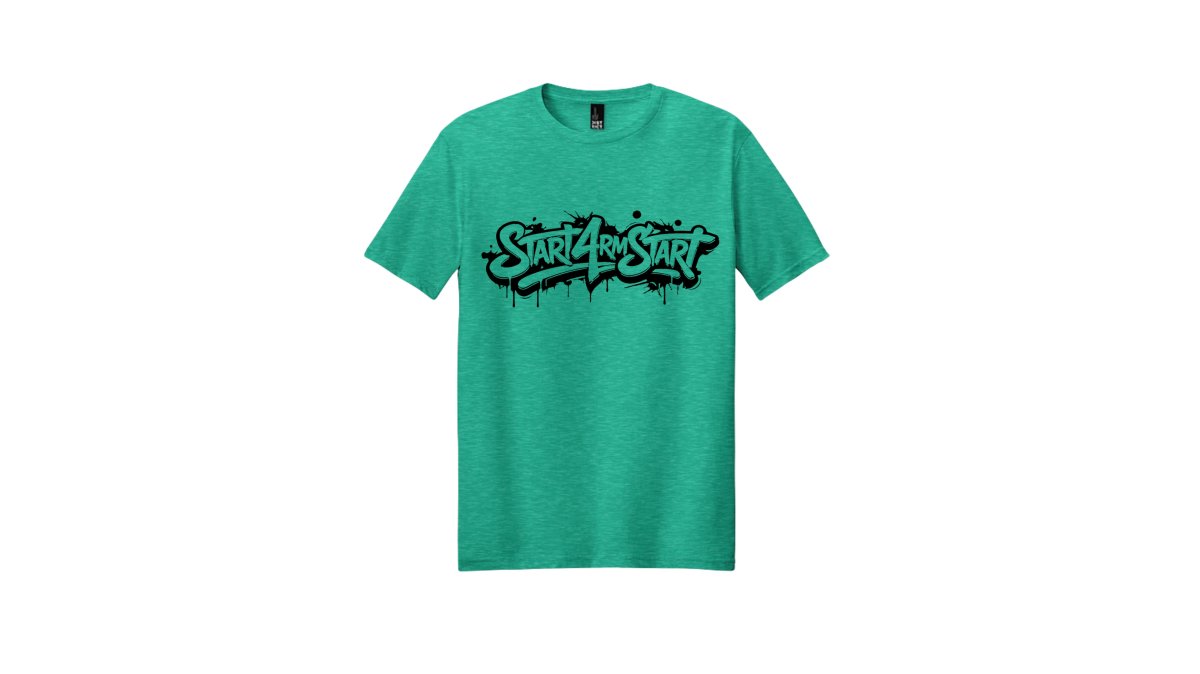
Cotton-polyester blends maintain cotton's comfort while adding durability and wrinkle resistance. The S4S Black Logo tee uses a 60/40 blend at 4.3 oz., lighter but more resilient than pure cotton at the same weight.
Reinforced Necklines and Construction Details
The neckline is where most tees fail first. Cheap tees use a single layer stitched once; after twenty washes, it stretches into a droopy mess. Quality tees use ribbed collar reinforcement to prevent stretching and maintain structure.
Look for: ribbed neckline (thicker, textured band), double-stitched seams, shoulder-to-shoulder taping, and tear-away labels.
The S4S Men's box tee includes ribbed collar reinforcement; the S4S Oversized faded t-shirt adds tear-away labels and wide neck ribbing. These details cost manufacturers cents more but prevent the stretched necklines common in cheap tees.
Heavyweight Hoodies That Survive the Grind
A hoodie is the workhorse of streetwear. Heavyweight hoodies are built to take abuse and keep looking intentional.
Heavyweight hoodies (10+ oz./yd.²) have denser fleece that resists pilling and maintains shape. The S4S Unisex half-zip pullover at 10 oz./yd.² uses 65% cotton, 35% polyester with brushed fleece interior and side-seamed construction to prevent twisting.

The Premium full zip hoodie at 8.3 oz./yd.² uses 80% cotton and 20% recycled polyester with auto-lock zipper slider, preventing mid-wear unzipping.
Full-Zip vs. Pullover: Which Lasts Longer
Full-zip hoodies and pullover hoodies have different durability profiles. A full-zip has a zipper that can break or jam, but it's easier to repair than replacing an entire pullover. Pullovers have no zipper to fail, but if the neckline stretches, you're stuck with it.
The Premium full zip hoodie uses a zipper with an auto-lock slider. If the zipper eventually fails, a tailor can replace it, extending the hoodie's life.
Pullover hoodies are simpler and feel more cohesive, but they demand careful washing to prevent neckline stretching. If that neckline goes, the hoodie is done.
Long-Lasting Streetwear Fabrics: What Actually Holds Up
Not all fabrics are equal. Understanding fabric composition and how different materials perform under stress is the key to building a wardrobe that doesn't degrade.
Cotton-Polyester Blends vs. Pure Cotton
Pure cotton is breathable but prone to shrinkage and weakening. Cotton-polyester blends (60/40) maintain breathability while gaining durability and color retention. The S4S Black Logo tee uses this ratio.
Fabric Weight Standards for Everyday Wear
Here's a quick reference for what weight means for durability:
| Fabric Weight | Durability | Best Use | Lifespan |
|---|---|---|---|
| 4.5-5.5 oz./yd.² | Low | Casual, light wear | 6-12 months |
| 6-7 oz./yd.² | Medium | Daily wear, frequent washing | 12-24 months |
| 8-10 oz./yd.² | High | Heavy use, repeated wear | 24+ months |
| 10+ oz./yd.² | Very High | Workwear, intensive use | 36+ months |
For durable streetwear essentials that you'll wear multiple times per week, aim for 6 oz./yd.² minimum for tees and 8+ oz./yd.² for hoodies.
Building Your Streetwear Capsule Wardrobe
A capsule wardrobe is a small collection of pieces that mix and match to create multiple outfits. For the daily hustle, your capsule should have pieces that are versatile, durable, and intentional. You're not collecting clothes; you're building a system.
The Core Pieces You Need
Start with these five foundational pieces:
-
Quality graphic tee (2-3 pieces): The S4S Men's box tee at $34 or the S4S Oversized faded t-shirt at $41 form the base. Choose colors that work with everything, black, charcoal, faded blue. These layer under jackets and stand alone.
-
Heavyweight hoodie (1-2 pieces): The Premium full zip hoodie at $43.50 or the S4S Unisex half-zip pullover at $52 provide warmth and layering flexibility. A full-zip and a pullover give you options depending on the day.
-
Crewneck sweatshirt: The S4S Unisex Crewneck Sweatshirt at $30 is a lighter alternative to a hoodie for mild weather or layering under a jacket. 50% cotton, 50% polyester blend keeps it durable.
-
Denim jacket or outerwear: A worn-in denim jacket signals authenticity and pairs with nearly everything.
-
Clean, durable sneakers: Neutral-colored sneakers, white, black, or gray, complete any outfit. Look for leather or canvas with reinforced toe caps and quality stitching.
Mix-and-Match Strategy for Maximum Outfit Combinations
With just five core pieces, you can create dozens of outfit combinations. Here's how:
- Monochrome base: Black tee, black hoodie, black jeans, black sneakers. Minimal, focused, professional.
- Layered contrast: Faded blue tee, gray hoodie, black jeans, white sneakers. Visual interest without clashing.
- Jacket forward: Any tee, denim jacket over everything, neutral pants, clean sneakers. The jacket becomes the statement.
- Sweatshirt casual: Crewneck sweatshirt, black jeans, white sneakers. Relaxed but intentional.
The key is neutral colors and quality basics. Each piece should work with at least three others. Avoid statement graphics that only pair with one outfit; go for simple logos or solid colors that disappear into the wardrobe.
Care and Repair: Extending Your Garment Lifespan
Durability isn't just about fabric weight and construction. How you care for your pieces determines whether they last one year or five.
Washing and Storage Best Practices
Washing damages fabric. Every wash cycle stresses fibers, breaks down dyes, and wears seams. Minimize this by washing strategically:
- Wash inside out: Reduces fading and pilling on the visible surface. Turn tees and hoodies inside out before washing.
- Cold water only: Hot water accelerates dye fading and weakens fibers. Cold water cleans just as effectively.
- Use mild detergent: Standard laundry detergent is harsh. Use half the recommended amount or switch to a gentler formula designed for colored fabrics.
- Air dry: Dryers are brutal on fabric. Heat breaks down fibers and causes shrinkage. Hang-dry or lay flat to dry naturally.
- Wash every 2-3 wears: You don't need to wash after every wear. Spot-clean stains, hang outside to air out, and wash only when necessary.
Storage matters too. Fold hoodies and tees rather than hanging them, hangers stretch shoulder seams over time. Store in a cool, dry place away from direct sunlight, which fades color.
When and How to Repair Your Pieces
A small tear or loose seam doesn't mean the piece is done. Basic repairs extend garment life significantly:
- Loose seams: Hand-stitch or use a sewing machine to re-stitch seams before they unravel completely.
- Small holes: Patch from the inside using iron-on patch fabric (available at any fabric store for $5). It's invisible from the outside and prevents the hole from spreading.
- Pilling: Use a fabric shaver or even a fine-tooth comb to gently remove pills without damaging the underlying fabric.
- Zipper failure: Replace the slider or the entire zipper. A tailor can give the hoodie years more life.
Professional tailoring is affordable. A $40 hoodie with a $20 zipper replacement is still cheaper than buying a new one, and it's guaranteed to fit.
Cost Per Wear: Why Durable Essentials Save Money Long-Term
The real measure of value isn't the price tag, it's cost per wear. A $50 hoodie that lasts three years is cheaper than a $25 hoodie that lasts one year.
Here's the math: If you wear a hoodie twice per week for three years, that's 312 wears. A $50 hoodie costs $0.16 per wear.
The Premium full zip hoodie at $43.50 is designed to last with regular care.
Quality basics aren't a luxury, they're an investment in not having to think about your wardrobe.
Conclusion: Your Durable Streetwear Foundation Starts Here
Building a wardrobe that supports your hustle requires intention. You need pieces constructed to survive repeated wear, fabric blends that resist fading and pilling, and a strategy that lets you create multiple outfits from a small collection.
Start4rmStart builds durable streetwear essentials for this exact purpose. The S4S Men's box tee with reinforced necklines, the Premium full zip hoodie with brushed fleece interior and auto-lock zipper, and the S4S Unisex half-zip pullover with heavyweight 10 oz. fleece are engineered for daily wear and repeated washing.
Get started with Start4rmStart and build a capsule wardrobe that actually lasts. Your wardrobe should reflect your resilience, and our pieces are built to prove it.
Frequently Asked Questions
What makes durable streetwear essentials different from regular graphic tees?
Durable streetwear essentials are built with higher fabric weights (7+ oz per square yard), reinforced seams, and quality cotton blends designed to withstand frequent washing and daily wear. Regular tees often use lighter fabrics that pill and fade quickly. Look for combed ring-spun cotton, reinforced necklines, and side-seamed construction, these details signal garments built for longevity, not just a single season.
How do I build a streetwear capsule wardrobe on a budget?
Start with 5-7 core pieces: two quality graphic tees, one heavyweight hoodie, dark jeans, and neutral outerwear. Choose pieces in black, gray, and navy to maximize mix-and-match potential. Invest in higher-quality basics first, they'll outlast cheaper alternatives and reduce your cost per wear. Rotate seasonal pieces rather than buying constantly, and prioritize garments made from durable fabrics like 7+ oz cotton blends.
What fabric weight should I look for in long-lasting streetwear?
Aim for at least 7 oz per square yard (237 g/m²) for t-shirts and 8+ oz for hoodies and sweatshirts. Heavier fabrics resist pilling, hold their shape after washing, and feel more substantial against your skin. Cotton-polyester blends at these weights offer better durability than pure cotton alone, as the synthetic fibers add elasticity and prevent excessive shrinkage over time.
How often should I wash streetwear to keep it looking new?
Wash quality streetwear pieces every 3-5 wears to preserve color and fabric integrity. Use cold water, gentle cycles, and turn garments inside out before washing to reduce fading and pilling. Air-dry whenever possible, heat from dryers breaks down fibers and causes shrinkage. Store folded in a cool, dry place away from direct sunlight. Proper care can extend the lifespan of durable pieces by years.
External Sources:
For more on sustainable fashion and garment longevity, see The Environmental Impact of Fast Fashion and Textile Care and Durability Standards.
For guidance on fabric composition and care, the Federal Trade Commission's Textile Labeling Guide provides standards for how manufacturers must disclose fiber content and care instructions.