

Table of Contents
- Why People Search for a Resilience Company Alternative
- How to Evaluate a Motivational Clothing Brand
- Motivational Graphic Tees: What Separates Good From Generic
- Resilience Apparel: From Gym to Office
- Start4rmStart: A Different Kind of Resilience Company Alternative
- Pricing, Returns, and What You're Actually Paying For
- Frequently Asked Questions
Last Updated: October 6, 2026
Why People Search for a Resilience Company Alternative
The search for a The Resilience Company alternative usually starts the same way: someone loves the message, buys a shirt, then wonders whether the fabric will survive a season of wear. That gap between inspiration and durability is what this guide from Start4rmStart addresses.
Here's the honest answer: often, it's the feeling.
That's not a knock on the category. Resilience apparel works best when message and material pull in the same direction; when they don't, you get a shirt that inspires for a week and pills by month two.
How to Evaluate a Motivational Clothing Brand
Before judging an alternative, know what you're replacing.
If your search started with a shirt, hoodie, or hat, you're in the apparel lane. If it started with a software demo, risk dashboard, or compliance requirement, you're in the software lane.
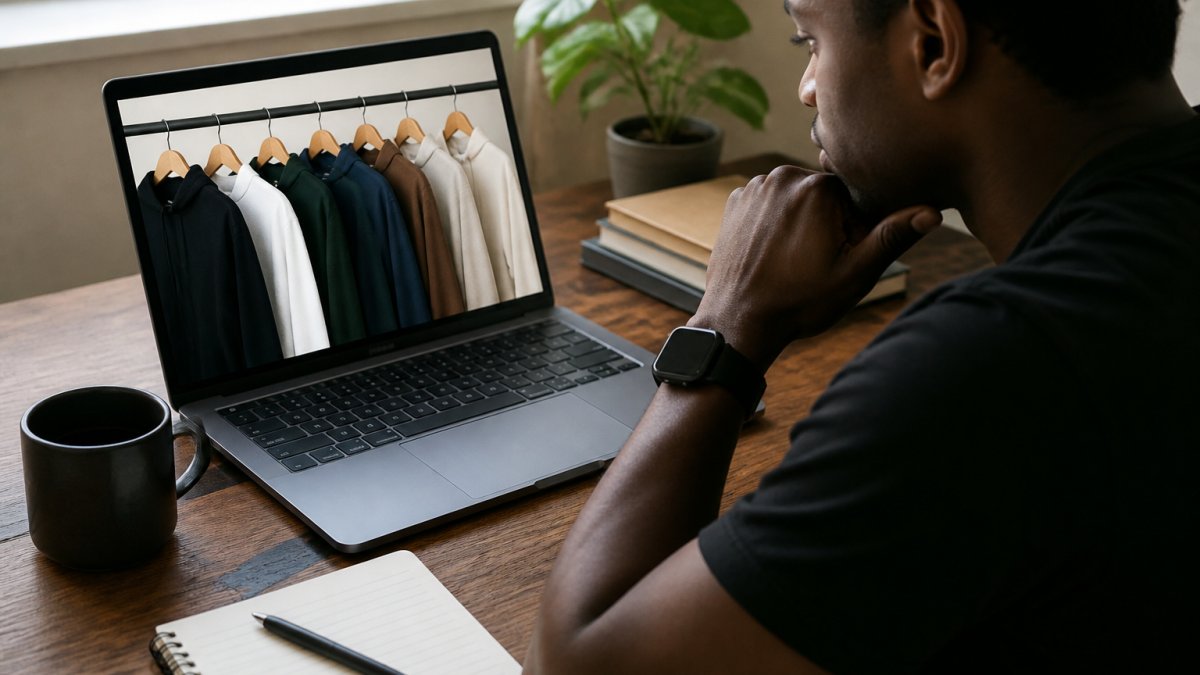
Once the category is confirmed, evaluate any motivational clothing brand on five things: fabric weight, print method, fit consistency, return policy, and whether the stated mission matches what it ships. Everything else, including the slogan, is secondary.
Most shoppers do this backwards: they pick a design and hope quality follows. Better to filter by construction first, then choose a design from the brands that pass.
Fabric Weight and Print Durability
Fabric weight, measured in grams per square meter (GSM), is the best predictor of how a tee will feel and last. Lightweight knits under roughly 150 GSM feel thin and lose shape quickly. Midweight 180-220 GSM holds structure without feeling heavy, the standard for everyday wear.
Print durability comes down to method. Screen printing lays down a thick, opaque layer that survives repeated washing when cured properly. Direct-to-garment handles detailed, multicolor designs but fades faster if the fabric isn't pretreated well. Heat-transfer vinyl sits in between: crisp edges, but cracks along fold lines if dried on high heat.
Fit, Sizing, and the Return Math
Fit is where online apparel purchases fail most often. A brand that publishes a real size chart with chest and length measurements, not just S/M/L labels, saves you a return. If the chart is missing, size up and expect to exchange.
Returns are the safety net that makes online apparel buying workable. Before ordering, confirm three things: the return window (30 days is common, 14 is tight), whether exchanges are free or you pay return shipping, and what condition the item needs to be in. A clear policy signals a brand that stands behind its product. A vague one usually means you'll eat the cost.
Use-Case Fit: Match the Brand to the Buyer
The right alternative depends on who's wearing it:
- The gym-first buyer wants moisture-wicking blends and a cut that moves. Cotton-heavy tees look great but hold sweat.
- The office-crossover buyer wants muted base colors, a chest-sized graphic, and a collar that survives a wash cycle. Full-back prints read too casual.
- The gift buyer wants a message that lands without lecturing. Smaller graphics in neutral colors travel better than bold statements.
- The bulk buyer (team, event, or resale) needs to ask about minimum order quantities, per-unit pricing at volume, and whether the brand offers custom or co-branded runs.
Motivational Graphic Tees: What Separates Good From Generic
Good motivational graphic tees combine three elements: a message that feels earned rather than preachy, a design that works on a real body, and construction that survives normal wear. Generic tees nail one and miss the other two.
The messaging test is simple: read the slogan and ask whether a person would actually say it. "Your start doesn't define your finish" lands because it's specific and implies a story; vague hype like "grind never stops" reads as filler.
Design matters just as much. A graphic that's too large overwhelms the shirt; placement, scale, and color contrast decide whether a tee looks intentional or loud.
Check the care label before you buy, not after. A tee that requires cold washing and line drying will last far longer than one built for a hot dryer, and knowing that upfront tells you whether the garment fits your actual routine.
Resilience Apparel: From Gym to Office
Resilience apparel works hardest when it moves between contexts. A tee that only looks right at the gym is a costume; one that reads clean under a blazer or flannel is a wardrobe staple.
That versatility comes down to restraint. Solid or heather base colors, a chest-sized graphic rather than a full-front span, and a collar that holds its shape after washing help a motivational tee cross into casual work settings.
For the corporate professional who worries the "self-made" message is aimed only at founders, framing matters. Resilience themes apply to anyone building something, a business, a career, a recovery.
Start4rmStart: A Different Kind of Resilience Company Alternative
Start4rmStart is a resilience apparel brand built for the self-made, approaching the category differently than most motivational clothing brands. The premise is that your start doesn't define your finish.
What sets it apart is intent. The collections are made for people who've turned nothing into something. That shows up in designs celebrating the journey and the ambition behind it.
Here's how the main considerations stack up when you're weighing any resilience company:
| What to Check | Why It Matters | What Good Looks Like |
|---|---|---|
| Fabric weight | Predicts feel and lifespan | Midweight 180-220 GSM |
| Print method | Decides how fast graphics fade | Disclosed screen or DTG printing |
| Size chart | Cuts returns and guesswork | Real chest and length measurements |
| Return policy | Protects an online purchase | Clear window and simple process |
| Brand mission | Tells you if the message is real | Specific, consistent, not generic |
A Like-for-Like Shortlist
Most "alternative" pages either list unrelated resilience software or skip the comparison entirely. Here's a structured shortlist of the apparel brands that come up most often for a motivational or resilience-themed tee, evaluated on the same criteria:
- Start4rmStart, Narrow, self-made-focused messaging; designs built around the journey rather than generic hype. Best for buyers who want the message to feel personal. Limitation: smaller catalog than mass-market brands, so design choice is narrower.
- Motivational apparel marketplaces (print-on-demand), Huge design selection and low entry price. Limitation: quality varies wildly by seller because the same blank and print method aren't guaranteed across listings. Best for one-off novelty buys, not wardrobe staples.
- Heritage American athletic brands, Strong construction, widely available size charts, and reliable return policies. Limitation: messaging is generic or absent, so you're buying the blank, not the statement. Best for buyers who want durability first and don't care about the slogan.
- Direct-to-consumer premium tee brands, Heavier cotton, transparent fabric specs, and consistent fits. Limitation: usually no motivational messaging at all. Best for buyers who want a great shirt and will add their own meaning.
- Niche faith- or recovery-themed apparel, Deeply specific messaging that resonates with a defined audience. Limitation: narrow appeal outside that audience. Best for buyers inside the community the brand serves.
Pricing and Total Cost of Ownership
Pricing in motivational apparel varies widely; cost depends on fabric, print method, and quantity, so check the brand's site for current prices rather than trusting a general range. What you can compare is the cost structure:
- Blank cost, Heavier ringspun cotton costs more than a thin commodity tee. This is the biggest single driver of unit price.
- Print cost, Screen printing detailed or multicolor graphics adds cost per unit; DTG is cheaper at low volume but scales differently.
- Volume discounts, Most brands tier pricing at 12, 24, and 50+ units. If you're buying for a team or event, ask for the tier sheet before ordering.
- Shipping and returns, Free shipping thresholds and free-exchange policies effectively lower total cost. A cheaper shirt with paid returns can cost more in the end.
- Longevity, A midweight tee that lasts two years costs less per wear than a lightweight tee that pills in three months. This is the cost driver most shoppers ignore.
Switching: What Migration Actually Looks Like
If you're moving from another motivational apparel brand, the steps are simple but worth planning:
- Audit what you already own. Note which tees still look good after a year and which ones faded or stretched. That tells you which construction specs to prioritize.
- Order one piece first. Test fit, print quality, and wash durability before committing to a multi-piece order. A single tee is the cheapest possible trial.
- Check the size chart against a shirt you already like. Measure a tee that fits you well, then match those numbers to the new brand's chart. Don't trust the S/M/L label alone.
- Confirm the return window before you cut tags. Most brands require tags attached for a full refund.
- For bulk orders, request a sample run. If you're buying for a team or event, ask whether the brand offers a pre-production sample so you can approve the print before the full run.
Onboarding is short here, no software to install, no data to migrate. The real "migration" is dialing in your size and preferred fabric weight, which usually takes one order and one wash cycle to confirm.
The mission question is the one most shoppers skip, and it determines whether a brand is genuine or just slapping slogans on blanks. Start4rmStart's focus on the self-made identity is narrow on purpose, usually a sign the brand means it.
A resilience company earns repeat customers through construction and consistency, not through the slogan on the front. Judge the garment first and the message second, and if you're switching brands, test with one piece before you commit to a bulk order.
Federal Trade Commission guidance on textile labeling and care instructions
Pricing, Returns, and What You're Actually Paying For
Returns are the safety net that makes online apparel buying workable. Before ordering, confirm the return window, whether exchanges are free, and the required item condition. A clear policy signals a brand that stands behind its product.
On the gift question, subtlety wins. A design that states an idea rather than lecturing lands better with a friend who just started a business. If unsure, pick a smaller graphic in a neutral color.
Frequently Asked Questions
What should I look for in motivational apparel?
Check fabric weight (midweight cotton holds shape after washing), print method (screen print outlasts heat transfer), and fit consistency across sizes. Read verified reviews that mention wash durability, not just design. A brand that publishes its return policy clearly and responds to sizing questions is usually safer than one that only shows product photos.
How is Start4rmStart different from other motivational clothing brands?
Start4rmStart builds its designs around the idea that your start does not define your finish, rather than generic hustle slogans. The brand targets self-made professionals, parents, and gift-givers who want apparel tied to personal transformation. The collection is designed to work outside the gym as well.
What is the difference between motivational apparel and ordinary graphic tees?
Ordinary graphic tees sell an image or a joke. Motivational apparel sells a message the wearer wants to reinforce daily, so the design, fit, and fabric have to support repeat wear. That means heavier cotton, prints that survive dozens of washes, and cuts that work with jeans, joggers, or a blazer. The message is the point, but the garment still has to perform.
Does wearing a shirt really keep you motivated?
Apparel works as a passive reminder, not an active tool. A fitness tracker or app asks for input and gets abandoned when the novelty fades. A shirt you put on every morning reinforces a message without requiring effort. Customers who report it helping usually pair it with a routine, like wearing it on workdays or before a workout, so the reminder lands at the right moment.
Buying motivational apparel online comes down to trusting the construction as much as the message, and that's the gap Start4rmStart was built to close. We make clothing for the self-made, with designs that emphasize that your start doesn't define your finish, plus style that feels as good as it looks. Every piece is wearable motivation for people who've turned nothing into something. Explore the collection and find a garment that carries your story.